
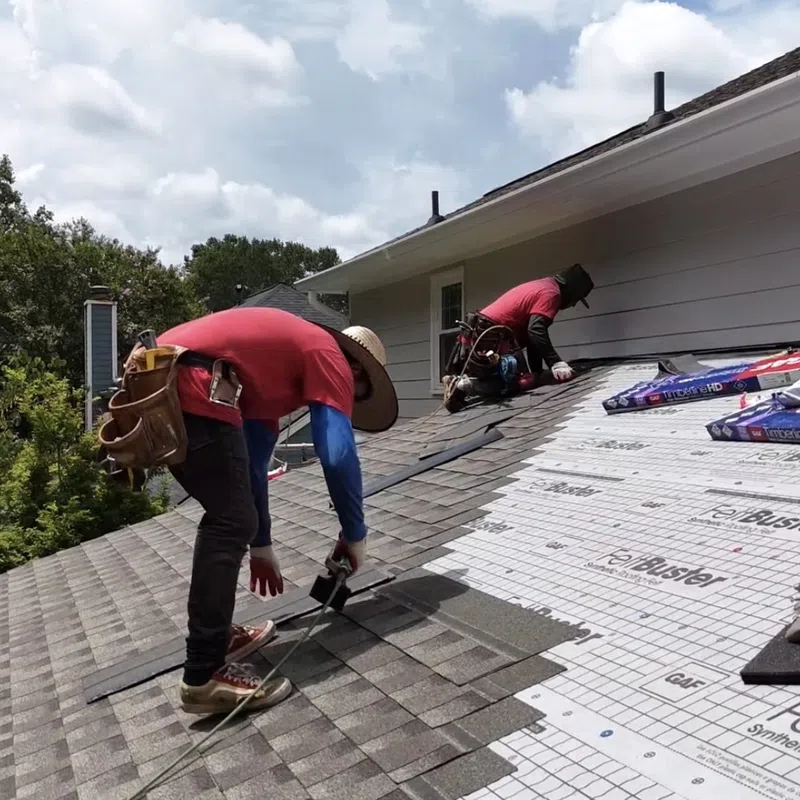
A roofing square is 100 square feet of roof surface. Contractors use roofing squares to calculate the size of a roof and estimate the materials and labor needed for a project. Your roof may measure larger than your home because it includes slopes, overhangs, and every covered section.
At Nelson Exteriors, we help North Metro Atlanta homeowners understand roof measurements so they can review estimates and plan their projects with confidence.
What Is a Roofing Square?
A roofing square is a standard unit of measurement used throughout the roofing industry. One roofing square equals 100 square feet of actual roof surface, or an area measuring 10 feet by 10 feet.
For example:
- 1,500 square feet of roof surface equals 15 roofing squares.
- 2,000 square feet equals 20 roofing squares.
- 2,500 square feet equals 25 roofing squares.
The basic calculation is:
Total roof surface area ÷ 100 = number of roofing squares
Contractors use this measurement to describe the size of the roof and estimate the shingles, underlayment, flashing, and labor required. Homeowners can find another helpful explanation in GAF's guide to roofing squares and roof measurements.
How Is a Roofing Square Calculated?
Calculating roofing squares begins with determining the total surface area of the roof.
For a simple rectangular roof plane, multiply its length by its width:
Length × width = square footage
If one section is 40 feet long and 20 feet wide, the calculation would be:
40 × 20 = 800 square feet
Divide the result by 100:
800 ÷ 100 = 8 roofing squares
Each roof plane must be measured separately. The totals are then combined to determine the full roof size.
A simple roof with two large rectangular planes may be relatively easy to calculate. Homes with dormers, valleys, hips, attached garages, covered porches, or multiple levels require additional measurements.
Why Is My Roof Bigger Than My House?
Your home's listed square footage usually represents its finished interior living space. It does not represent the complete surface area of the roof.
For example, a 2,000-square-foot home may have a roof that measures considerably more than 2,000 square feet. This does not necessarily mean the contractor measured incorrectly.
The difference is usually caused by roof pitch, overhangs, and the home's architectural design.
How Does Roof Pitch Affect the Measurement?
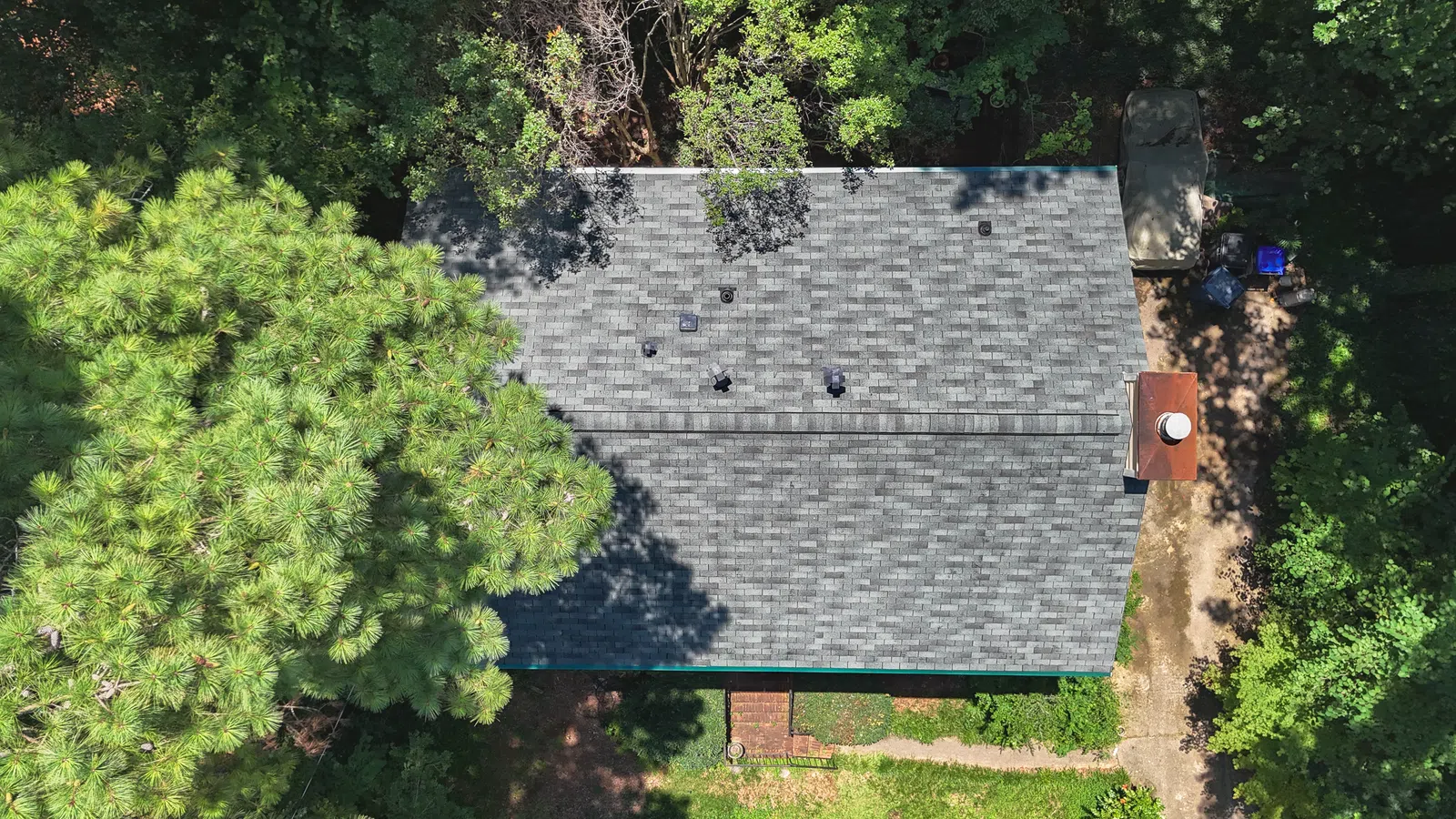
Roof pitch describes the steepness or slope of a roof. A sloped roof surface is longer than the flat horizontal distance beneath it.
Think of the difference between walking across a flat surface and walking up a ramp. Even when both cover the same horizontal distance, the ramp has a longer surface.
The steeper the roof, the greater its total surface area. Two homes with the same footprint can therefore have different roofing square measurements if their roof pitches are different.
Why Do Roof Overhangs Add to the Square Footage?
Most roofs extend beyond the home's exterior walls. These extensions are often called overhangs or eaves.
Overhangs help move water away from the siding, windows, doors, and foundation. They are not included in the home's interior square footage, but they must be included when calculating the roof's total surface.
Even a modest overhang around the perimeter of a house can add a meaningful amount to the final roof measurement.
How Does Roof Design Affect the Calculation?
A basic roof with two rectangular planes is easier to calculate than one with several intersecting sections.
Features that can add to a roof's total surface include:
- Dormers
- Gables
- Hips
- Valleys
- Multiple roof levels
- Attached garages
- Covered porches
- Turrets or curved sections
Each feature creates an additional roof plane or changes the shape of the existing surface. That is why a contractor must consider the design of the roof, not just the square footage of the home, when preparing a roofing estimate.
Can You Estimate Roofing Squares From the Ground?
Homeowners can make a rough estimate, but it may not be accurate enough for ordering materials or setting a final project budget.
Start by estimating the footprint of the home. Include attached garages, covered porches, and other roofed structures. The measurement must then be adjusted for the roof's pitch and divided by 100.
For example:
- Estimate the total roof surface at 2,400 square feet.
- Divide 2,400 by 100.
- The estimated roof size is 24 roofing squares.
This can be useful for early planning, but it may not account for every overhang, dormer, valley, or change in pitch. Online calculators also depend on the accuracy of the measurements entered.
Homeowners should avoid climbing onto the roof to take measurements. Falls are a serious risk, and walking on an aging roof may damage shingles or expose weakened areas.
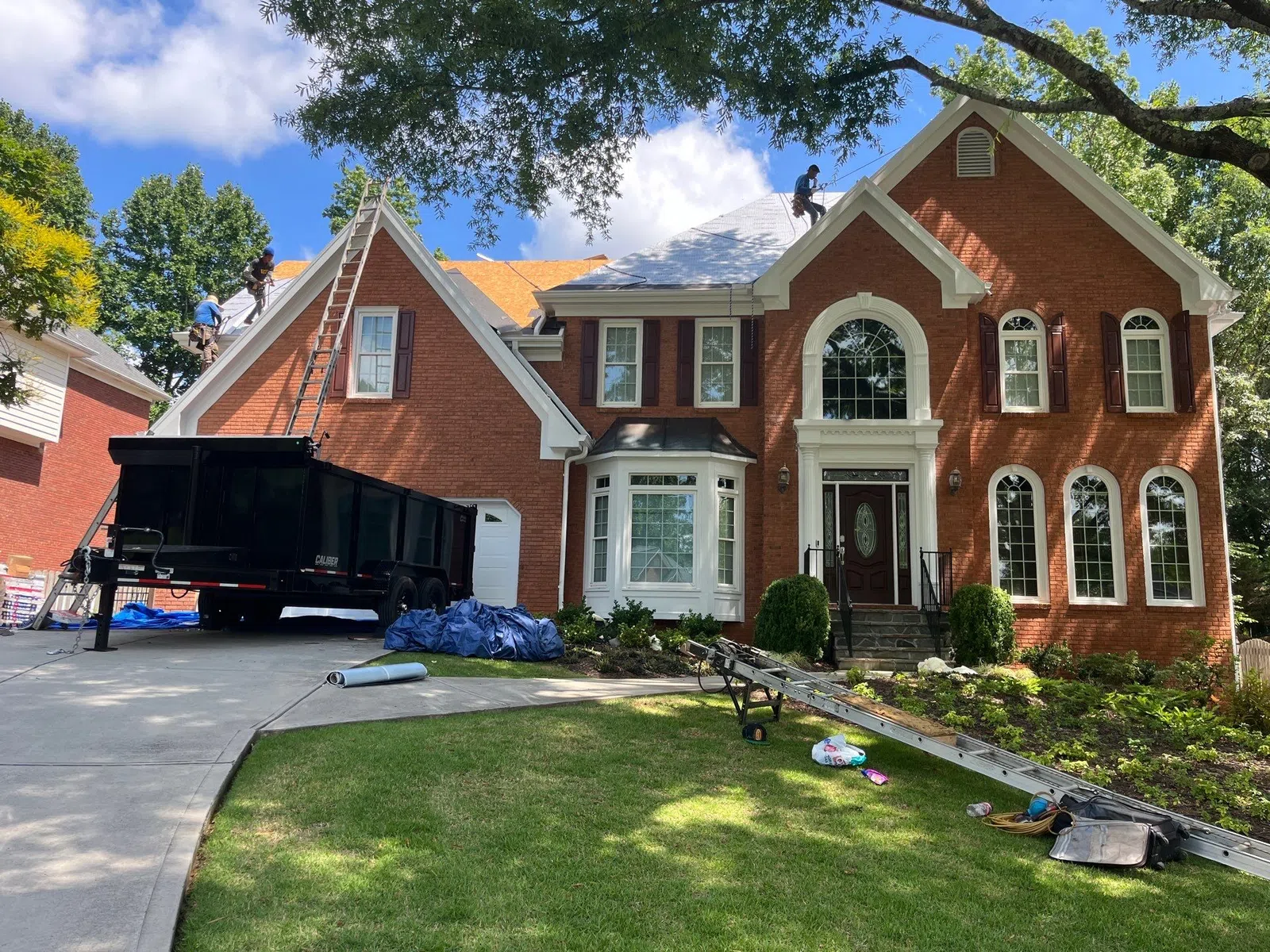
Request a Professional Roofing Estimate for your Atlanta Home
Nelson Exteriors is a family-owned and operated, second-generation exterior remodeling company serving North Metro Atlanta. Since 1977, Nelson Exteriors has helped homeowners maintain, update, and enjoy more of their homes.
Our experienced project managers, long-tenured crews, and consultative approach provide steady communication throughout each project. Learn more about our story.
Ready to better understand your roof's size and condition? Contact us online to request a free estimate from Nelson Exteriors.
