
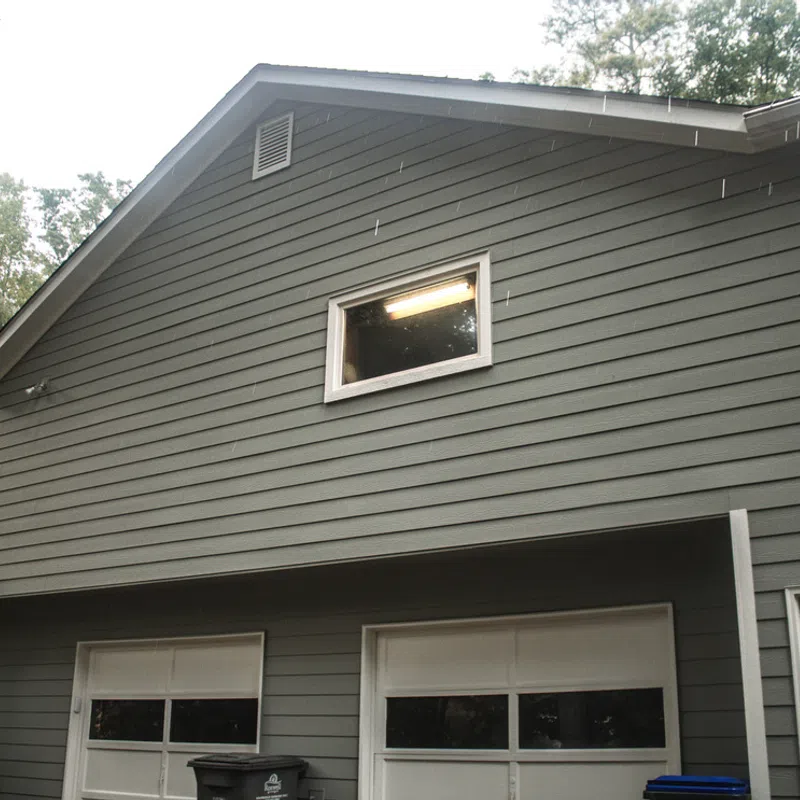
At Nelson Exteriors, we recommend looking at the whole picture before choosing siding for your home.
What Makes Siding Durable?
Durability depends on how well siding performs against the conditions it faces year after year.
Important factors include:
- Moisture and humidity resistance
- Performance during heavy rain and storms
- Resistance to pests and rot
- Ability to handle heat and UV exposure
- Impact resistance
- Maintenance requirements
- Resistance to warping, cracking, or deterioration
Siding installation matters, too. Even a durable product can underperform if flashing, clearances, fastening, joints, or water management are handled incorrectly.
That is especially important in Georgia, where heat, humidity, and wind-driven rain can expose weak points in an exterior system.
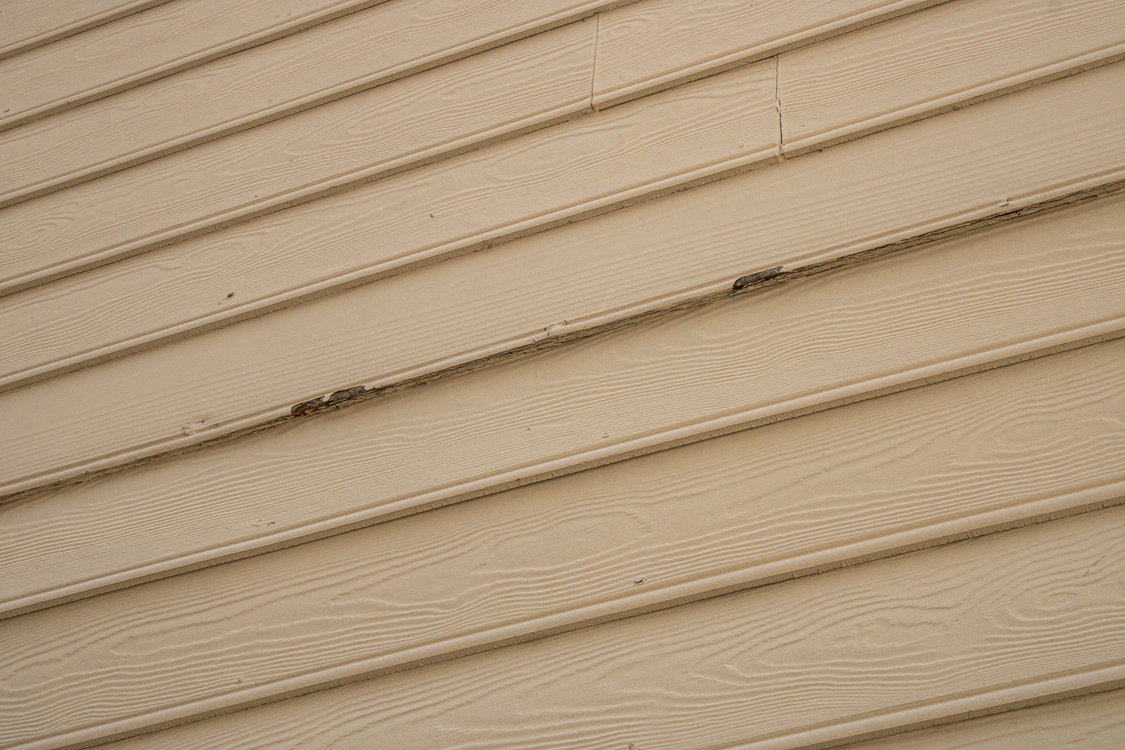
Durable Siding Materials for Georgia Homes
There is no single material that wins every category. The better approach is to compare how each option performs in Georgia's climate and how much maintenance you are willing to take on.
| Siding Material | Durability | Maintenance | Georgia Consideration | Main Tradeoff |
|---|---|---|---|---|
| Fiber cement | High | Moderate | Handles humidity and changing weather well | Heavier material; proper installation matters |
| Engineered wood | Good | Moderate | Moisture management is especially important | More sensitive to water intrusion |
| Metal | Good | Low | Resists rot and moisture | Can dent from hail or debris |
| Natural wood | Good when maintained | High | Humidity increases maintenance needs | Requires moisture and pest protection |
Fiber Cement Siding
Fiber cement is a strong all-around choice for North Metro Atlanta because it resists moisture, pests, and weather-related wear.
Pros: Durable, versatile, lower maintenance than wood
Cons: Heavier material; proper installation is important
Best fit for: Homeowners who want a durable, low-fuss option that works well in Georgia's humid climate. Learn more about fiber cement siding and what to consider before choosing it for your home.
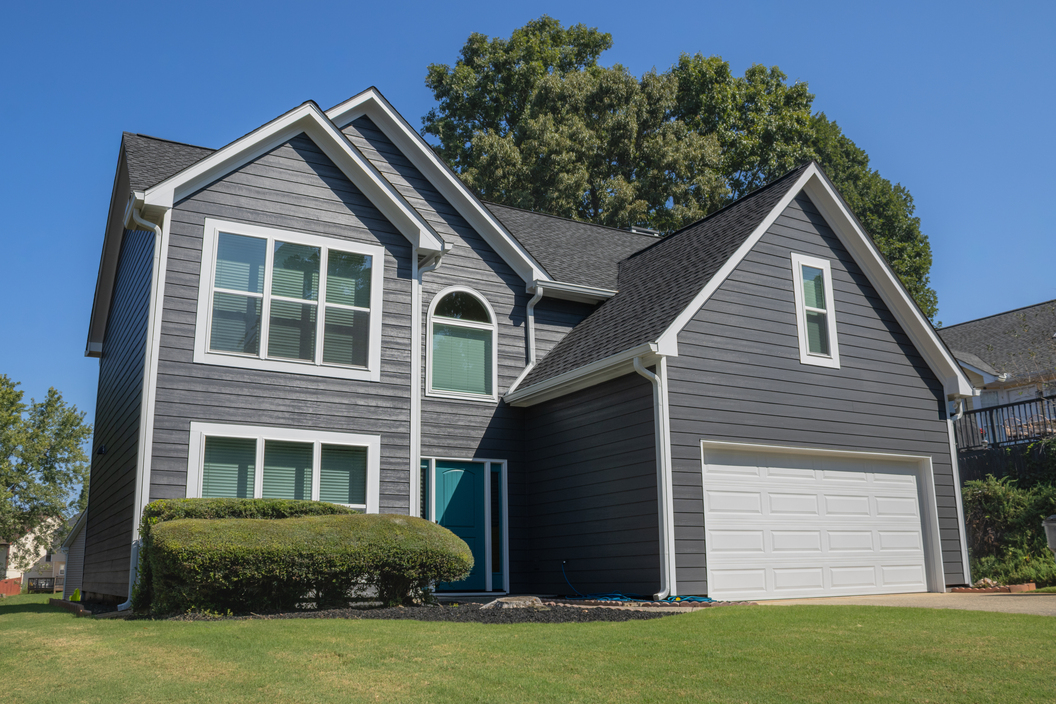
Engineered Wood Siding
Engineered wood offers a natural-looking finish with less upkeep than traditional wood.
Pros: Attractive wood look, lighter weight, multiple styles
Cons: More sensitive to moisture if flashing or edges are not properly protected
Best fit for: Homeowners who want the appearance of wood with more predictable performance.
Metal Siding
Metal resists rot and insects and generally requires little routine maintenance.
Pros: Low maintenance, moisture-resistant, durable
Cons: Can dent from hail, branches, or storm debris
Best fit for: Homeowners who prioritize low maintenance and like the look of metal siding.
Natural Wood Siding
Natural wood offers classic character, but Georgia's humidity means it needs more maintenance.
Pros: Authentic appearance, works well with traditional homes
Cons: More vulnerable to moisture, insects, and finish wear
Best fit for: Homeowners who value real wood and are comfortable with regular upkeep.
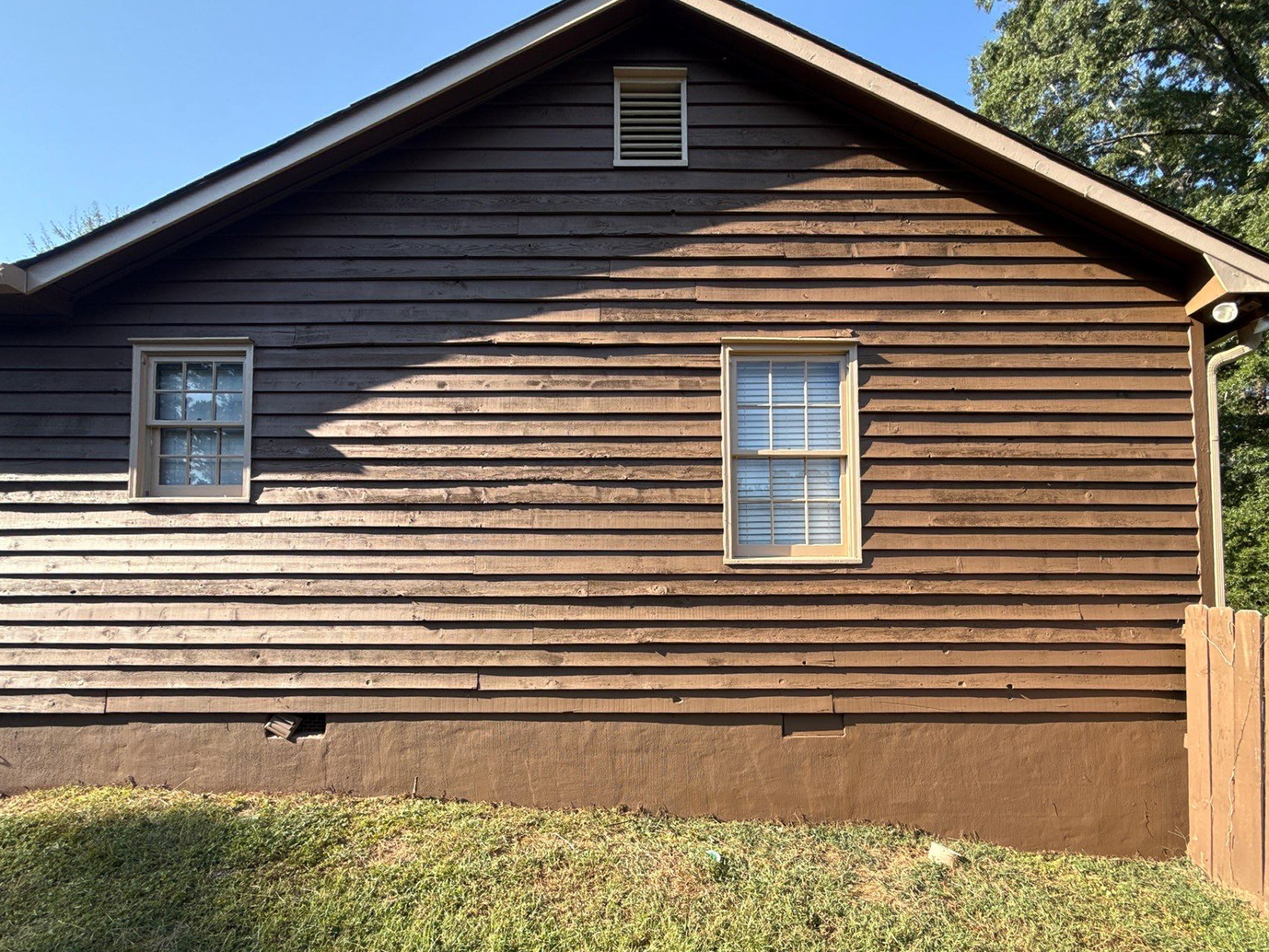
How Georgia's Climate Affects Siding Performance
Choosing siding in Georgia means accounting for humidity, strong summer sun, heavy rainfall, wind-driven rain, and seasonal storms.
Those conditions make several factors particularly important.
- Moisture resistance: Siding needs to help manage rain and humidity without allowing water to damage the wall system behind it.
- Dimensional stability: Heat and moisture changes can cause some materials to expand, contract, warp, or shift.
- Impact resistance: Storm debris and hail can damage more vulnerable materials.
- Finish durability: Strong UV exposure can affect paints and finishes over time.
For these reasons, fiber cement is often a strong candidate for Atlanta siding replacement projects. That does not make it the automatic choice for every house, but its performance characteristics fit many of the challenges Georgia homes face.
Compare More Than Lifespan
The most durable siding material on paper is not necessarily the right material for your home.
Before deciding, compare these five areas:
- Maintenance: How much cleaning, painting, sealing, and repair are you comfortable handling?
- Moisture performance: How well does the material handle Georgia's humid, rainy conditions?
- Architectural style: Does the siding complement the look of your home?
- Long-term cost: Consider maintenance and repairs, not just installation price.
- Installation quality: Proper flashing, fastening, clearances, and drainage can significantly affect performance.
Homeowners should also think about why they are replacing siding in the first place. Widespread cracking, rot, recurring moisture problems, or frequent repairs may point toward full replacement rather than another round of patching.
For more guidance, read Nelson Exteriors' siding maintenance tips.
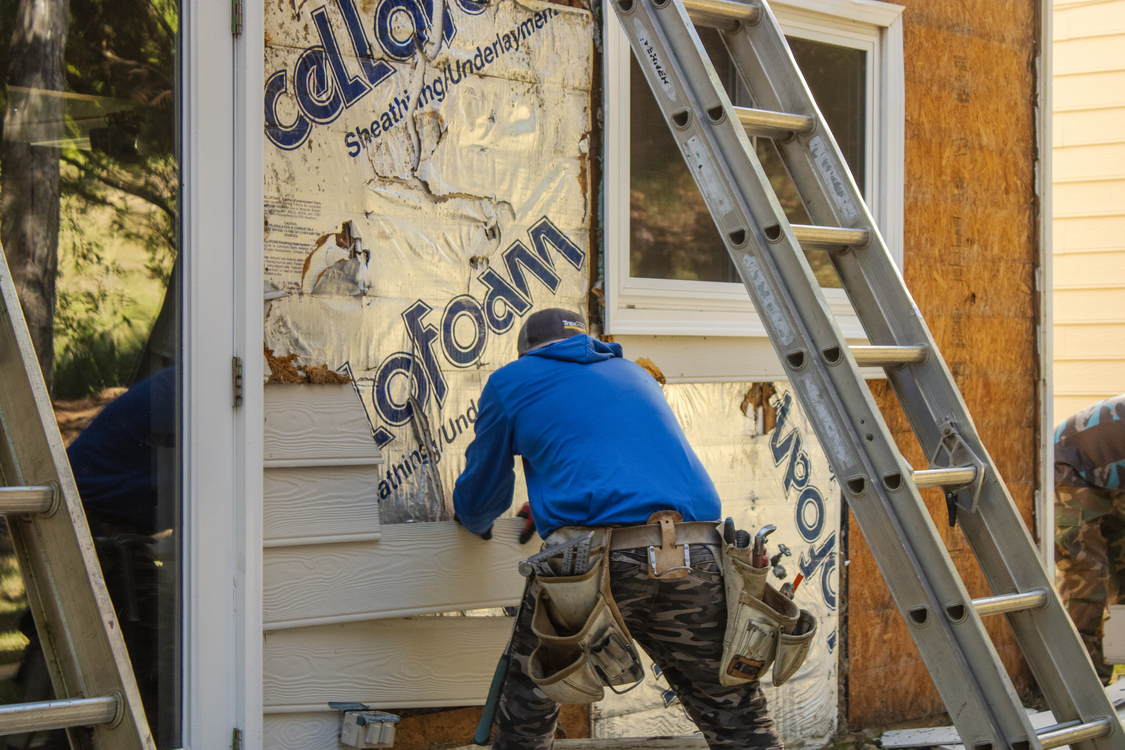
The Contractor Matters, Too
The right material still needs the right contractor. Ask who will manage the project, how often they will be on-site, how communication is handled, and what quality-control checks are built into the process.
Nelson Exteriors project managers are on-site most days and stay in touch with homeowners when they cannot be there. Quality control continues throughout the project and at completion, helping homeowners know who is overseeing the work from start to finish. Learn more about our story.
FAQs About Durable Siding in Georgia
What is the most durable siding material for a Georgia home?
Fiber cement is one of the strongest all-around options because it offers good resistance to moisture, pests, weather, and weather-related wear while requiring less upkeep than natural wood. The right material still depends on your home and priorities.
Is fiber cement siding good for Atlanta's humidity?
Yes. Fiber cement is well suited to humid climates because it is designed to resist moisture-related deterioration when properly installed.
What is HardiePlank siding?
HardiePlank siding is James Hardie's lap-style fiber cement siding. It provides the appearance of traditional horizontal siding with the durability characteristics of fiber cement.
Does siding installation affect durability?
Yes. Incorrect flashing, fastening, spacing, or clearances can create problems even with a highly durable siding material.
Plan Your Georgia Siding Project With Nelson Exteriors
Choosing the most durable siding material comes down to matching the product to your home, Georgia's climate, your maintenance expectations, and your long-term plans.
For many North Metro Atlanta homeowners, fiber cement offers a strong balance of durability, moisture resistance, design flexibility, and manageable upkeep. Other materials may still make sense depending on the home.
If you are considering new siding in Marietta or elsewhere in North Metro Atlanta, explore Nelson Exteriors' Marietta exterior remodeling services or contact us online.
Ready to talk through your exterior project? Schedule a Free Consultation with Nelson Exteriors.
