
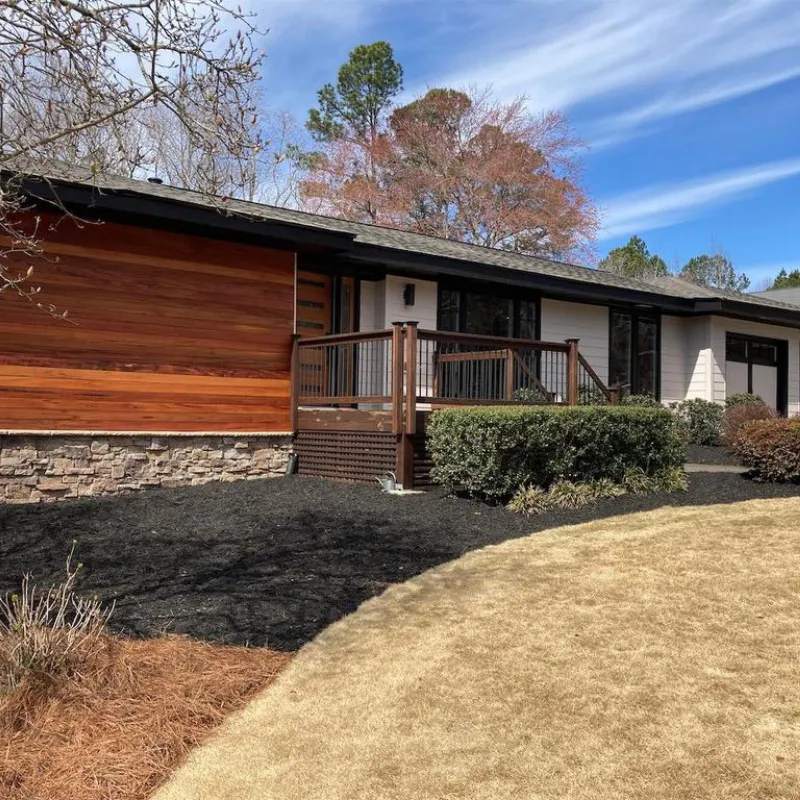
What Is Brazilian Hardwood Used For In Siding And Decking?
Brazilian hardwood is commonly used for exterior siding accents, full siding installations, and decking because it is naturally dense, moisture-resistant, and long-lasting. Popular species like ipe, cumaru, tigerwood, and garapa offer similar durability, with differences mainly in appearance, cost, and application.
Brazilian hardwood has become a standout material choice for homeowners who want something truly distinctive: rich in character, naturally durable, and unlike anything manufactured. Whether used as a bold accent wall, a luxury deck surface, or a full architectural feature, Brazilian hardwood delivers a level of authenticity that replicas simply can't match.
At Nelson Exteriors, Brazilian hardwood isn't a default recommendation for every home—but when it's the right fit, it can be exceptional. This guide breaks down the types of Brazilian hardwood, how they perform, where they shine, how they compare to alternatives like James Hardie® siding and composite decking, and what homeowners should know before investing.
If you're exploring Brazilian hardwood for siding or decking, this guide will help you make an informed, confident decision.
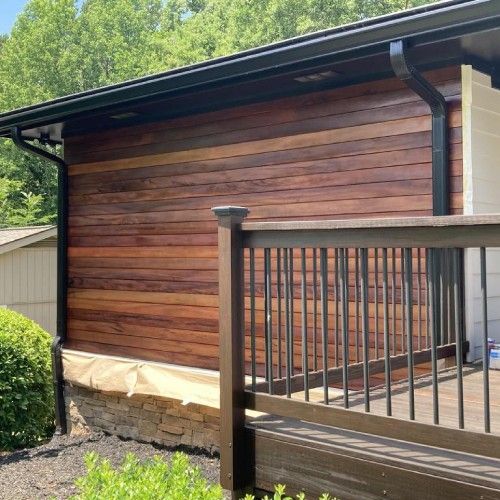
What Is Brazilian Hardwood?
Brazilian hardwood is an umbrella term for dense tropical hardwood species native to Central and South America. These woods evolved in humid rainforest environments, developing natural resistance to rot, decay, and insects without the use of chemical treatments.
Unlike domestic softwoods or engineered products, Brazilian hardwood is prized for its:
- Exceptional density and hardness
- Long lifespan (often measured in decades)
- Naturally rich coloration and grain variation
- Structural stability when properly installed
Common Brazilian hardwood species used in exterior applications include Ipe, Cumaru, Tigerwood, and Garapa. While each species has unique visual characteristics, they share many performance traits, making selection more about aesthetics, budget, and application than durability alone.
Brazilian Hardwood vs. Domestic Woods and Composites
Compared to domestic woods like cedar or redwood, Brazilian hardwood is:
- Significantly denser
- Far more resistant to insects and moisture
- Longer lasting with proper maintenance
Compared to composites, Brazilian hardwood offers:
- Authentic, natural grain and color variation
- No plastic content
- A true wood feel underfoot and to the eye
However, Brazilian hardwood also requires professional installation, thoughtful detailing, and a higher upfront investment; factors that should be carefully considered.
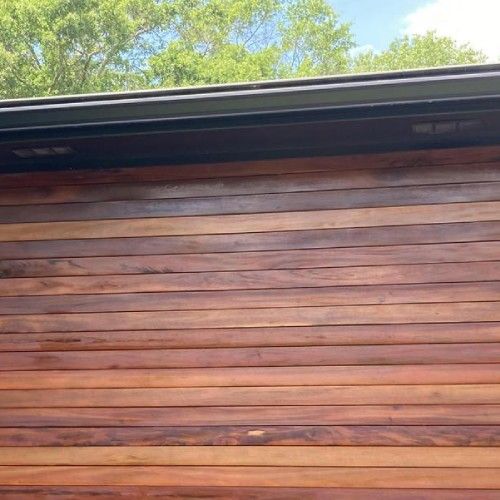
Types of Brazilian Hardwood
When homeowners research the types of Brazilian hardwood, they often find that performance differences between species are relatively small, while visual characteristics and pricing vary more noticeably. Below are the Brazilian hardwood species we most commonly work with:
Ipe (Ironwood)
Ipe is the most widely recognized Brazilian hardwood and the species Nelson Exteriors installs most often.
- Appearance
- Deep brown to olive tones
- Tight, uniform grain structure
- Durability
- Extremely dense
- Naturally resistant to fire, insects, and rot
- Long service life when properly installed and maintained
Why Nelson Exteriors Uses Ipe Most Often
While Brazilian hardwood species share many performance characteristics, Ipe is often selected for its material consistency, availability, and predictable long-term performance. It is commonly used for accent walls and architectural features.
Cumaru
Cumaru is often used as an alternative to Ipe and is often selected for its balance of durability and cost.
- Appearance
- Warm brown tones with subtle grain variation
- May darken over time or weather to a silver-gray finish
- Durability
- Dense and naturally resistant to rot and insects
- Suitable for exterior siding and decking applications
- Cost Range
- Generally mid-range compared to other Brazilian hardwood species
Tigerwood
Tigerwood is typically selected for its distinct visual pattern rather than for differences in performance.
- Appearance
- High-contrast striping with red, brown, and golden tones
- Strong visual variation between boards
- Durability
- Dense and stable for exterior use
- Performs well in limited or accent applications
- Common Uses
- Accent walls
- Feature siding
- Architectural focal points
Garapa
Garapa is known for its lighter coloration and more uniform appearance.
- Appearance
- Golden or honey-toned color
- Minimal grain contrast
- Durability
- Naturally resistant to rot and insects
- Slightly less dense than Ipe or Cumaru
- Cost Range
- Often among the more affordable Brazilian hardwood options
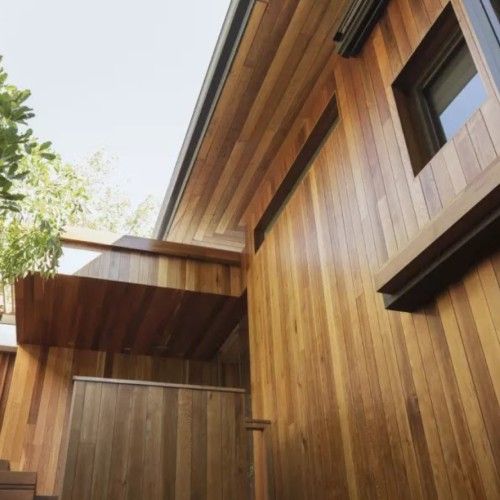
Why Homeowners Choose Brazilian Hardwood
Brazilian hardwood isn't a mass-market material. Homeowners who choose it are typically motivated by design, longevity, and authenticity rather than lowest upfront cost.
Exceptional Longevity
With proper installation and maintenance, Brazilian hardwood can last 40-70 years or more. Its natural density allows it to outperform many conventional materials without chemical preservatives.
Natural Resistance
Brazilian hardwood resists:
- Termites and insects
- Rot and decay
- Moisture damage
This resistance is inherent to the wood itself, not added through treatment.
Unmatched Aesthetics
No manufactured siding or decking product can fully replicate:
- Natural grain variation
- Depth of color
- Subtle imperfections that give wood its character
For homeowners seeking a luxury or modern architectural look, Brazilian hardwood often becomes the centerpiece.
Environmentally Conscious Option
When responsibly sourced, Brazilian hardwood can be an environmentally sound choice:
- No chemical treatments required
- Long lifespan reduces replacement frequency
- Forest Stewardship Council® (FSC)-certified options available
Common Applications
At Nelson Exteriors, Brazilian hardwood is most frequently installed as part of a hybrid exterior design, not as a full replacement for traditional siding.
Accent Walls
The most frequent application is accent walls, such as:
- Back walls of covered porches
- Entryway focal points
- Architectural features on modern homes
Accent installations allow homeowners to enjoy the beauty of Brazilian hardwood without the cost of full-home coverage.
Full Siding Installations
While less common, full siding installations are possible on high-end homes where budget and design priorities align.
Decking and Outdoor Structures
Brazilian hardwood is also used for:
- Deck boards
- Railings
- Outdoor living features
Its density makes it well-suited for high-traffic areas when installed correctly.
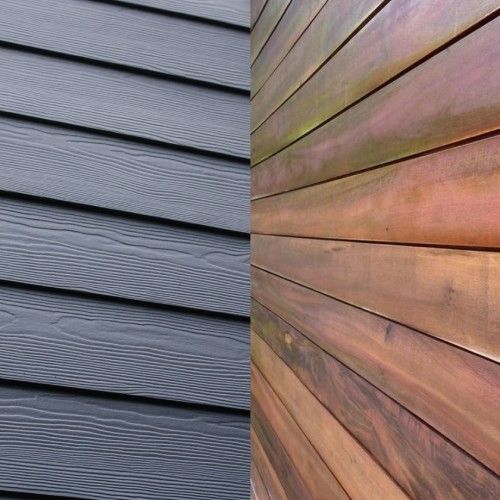
Brazilian Hardwood vs. Other Exterior Options
To help put Brazilian hardwood into context, the comparisons below look at how it stacks up against other commonly used exterior materials.
Brazilian Hardwood vs. James Hardie Siding
Brazilian hardwood and James Hardie siding serve very different purposes, and the right choice depends on how homeowners want their exterior to perform and look.
Brazilian Hardwood
- Higher material cost
- Distinctive, natural beauty that can't be replicated
- Best suited for accent walls, architectural features, and design-forward applications
James Hardie Siding
- More cost-effective for full-home installations
- Predictable maintenance and long-term performance
- Proven durability and strong curb appeal across a wide range of styles
For many homes, the most effective solution is a combination of both; using James Hardie siding as the primary exterior material, while incorporating Brazilian hardwood in select areas where its visual impact can truly stand out.
Brazilian Hardwood vs. Cedar or Redwood
Brazilian hardwood, cedar, and redwood are all natural wood options, but they differ significantly in how they perform over time and what they demand from homeowners.
Cedar or Redwood
- Naturally attractive with a classic wood appearance
- Require more frequent maintenance to preserve performance
- Shorter overall lifespan compared to dense tropical hardwoods
- More vulnerable to insects and moisture-related wear
Brazilian Hardwood
- Exceptionally dense and naturally resistant to insects and rot
- Longer service life when properly installed and maintained
- Higher upfront material cost
- Best suited for homeowners prioritizing longevity and durability
For homeowners who value natural wood but want maximum lifespan and performance, Brazilian hardwood often makes sense. Cedar and redwood remain viable options for those comfortable with more frequent upkeep and replacement over time.
Brazilian Hardwood vs. Composite Decking
Brazilian hardwood and composite decking appeal to different priorities, particularly when it comes to maintenance expectations and visual preference.
Composite Decking
- Lower ongoing maintenance requirements
- Uniform color and appearance
- Consistent performance across a wide range of environments
Brazilian Hardwood
- Authentic wood appearance and texture
- Natural variation in grain and color
- Unique aging characteristics that many homeowners find appealing
In most cases, the decision comes down to aesthetics versus convenience. Homeowners seeking a natural, high-end look often gravitate toward Brazilian hardwood, while those focused on minimal upkeep may prefer composite decking.
Installation and Maintenance
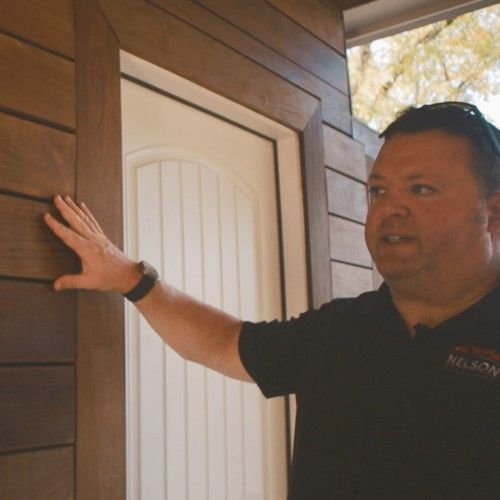
Brazilian hardwood's performance depends on proper installation by an experienced team and realistic maintenance expectations, as its natural properties leave little room for shortcuts or improvised techniques.
Why Professional Installation Matters
Brazilian hardwood is significantly denser and heavier than standard siding and decking materials. That density is part of what gives it exceptional durability, but it also means installation requires specialized methods and experience.
Siding Installation Considerations
For exterior siding applications, Brazilian hardwood must be installed using a rain screen system. This approach allows the material to perform as intended over time.
A proper rain screen installation includes:
- Structural sheathing designed to support the system
- Vertical furring strips that create an intentional air gap
- Continuous airflow behind the siding for moisture drainage and drying
This air gap helps moisture escape rather than becoming trapped behind the siding, protecting both the hardwood and the structure beneath it.
Decking Installation Considerations
Brazilian hardwood decking requires careful planning and execution due to the material's hardness and stability characteristics.
Typical installation requirements include:
- Pre-drilling to prevent splitting and ensure clean fastening
- Stainless steel fasteners to avoid corrosion and staining
- Precise spacing between boards to allow for natural expansion and airflow
When these details are overlooked, issues such as surface staining, board movement, or moisture buildup can occur over time.
Maintenance Expectations
Brazilian hardwood offers flexibility in how it ages, depending on homeowner preference.
Homeowners may choose to:
- Allow the wood to weather naturally, developing a soft silver patina
- Maintain the original color using penetrating oil finishes
Regardless of the finish approach, seasonal cleaning and periodic maintenance help preserve both appearance and performance, ensuring the material continues to age gracefully.
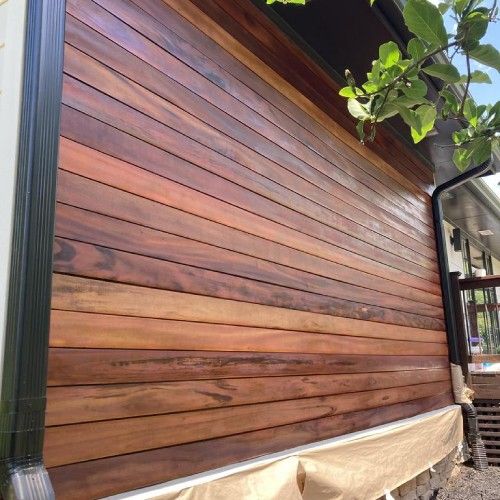
Cost of Brazilian Hardwood
The cost of Brazilian hardwood varies based on species, availability, and the scope of installation. Pricing is best understood by separating material costs from installation factors.
Material Cost Per Square Foot
Brazilian hardwood materials typically range from:
- $14 to $25 per square foot (materials only)
This range reflects commonly used species such as Ipe, Cumaru, Tigerwood, and Garapa. While these species share similar performance characteristics, pricing differences are influenced by:
- Species availability and import conditions
- Board dimensions and thickness
- Grade consistency and milling quality
- Supplier and regional distribution
Material pricing may fluctuate over time due to sourcing and transportation factors.
Installation Cost Variables
Installed pricing for Brazilian hardwood is not standardized and depends on several measurable factors, including:
- Application Type: Accent walls, partial siding sections, full siding installations, and decking each involve different preparation and labor requirements.
- Installation System: Siding applications require rain screen assemblies, while decking requires pre-drilling, specific fasteners, and precise spacing.
- Project Size and Layout: Smaller accent installations often have higher per-square-foot labor costs due to setup requirements, while larger runs may benefit from efficiencies of scale.
- Site Conditions: Access, elevation, and existing structural conditions can affect installation time.
Because of these variables, Brazilian hardwood projects are typically priced after a site evaluation rather than estimated using flat averages.
Where to See and Buy Brazilian Hardwood
Nelson Exteriors works with trusted suppliers such as Brazilian Wood Depot, ensuring quality and consistency.
Homeowners are encouraged to:
- View species samples in person
- Compare finishes and tones
- Discuss application options with a professional
Showroom visits help clarify expectations before committing.
FAQs About Brazilian Hardwood
How long does Brazilian hardwood last?
With proper installation and maintenance, 40-70 years or more.
Is Brazilian hardwood sustainable?
Yes, when sourced responsibly and FSC-certified.
Can Brazilian hardwood be painted or stained?
Painting is not recommended; oil finishes are preferred.
Is it worth the cost compared to composites?
For homeowners prioritizing authenticity and design, yes.
Does Brazilian hardwood require chemical treatment?
No. Brazilian hardwood species are naturally resistant to rot and insects and do not require pressure treatment or chemical preservatives.
Can Brazilian hardwood be used in humid or wet climates?
Yes. These species evolved in high-humidity environments and perform well outdoors when properly installed with appropriate spacing and moisture management systems.
Why Choose Nelson Exteriors for Brazilian Hardwood Installation
Brazilian hardwood is not a forgiving material. It demands experience, precision, and restraint.
Atlanta homeowners trust Nelson Exteriors because we offer:
- Skilled installers familiar with high-end materials
- Honest guidance on when hardwood makes sense, and when it doesn't
- Over 40 years of exterior remodeling experience
- Proven success combining hardwood accents with James Hardie siding
If you're considering Brazilian hardwood for your home, a professional consultation can help determine whether it's the right investment for your goals.
Contact Nelson Exteriors today to explore your options with confidence.